Beginner Strength Training at the Gym: Full PPL Workout Plan
Joshua & Jed•12 min read•Jacked Training Journal
Walking into a gym for the first time is uncomfortable. That's just the truth. Machines you don't recognize. People who clearly know what they're doing. A floor full of free weights with no obvious instruction manual. Most first-timers either wander aimlessly between machines or plant themselves on the treadmill because at least that one makes sense. Here's the thing: the gym is simpler than it looks. Every piece of equipment in that building serves one of five fundamental movement patterns. Once you understand those patterns, the confusion disappears. You stop seeing a room full of intimidating machines and start seeing a room full of tools you know exactly how to use. This guide gives you a full Push Pull Legs workout plan, the form cues that keep you safe, and a tracking system that keeps you progressing week after week.
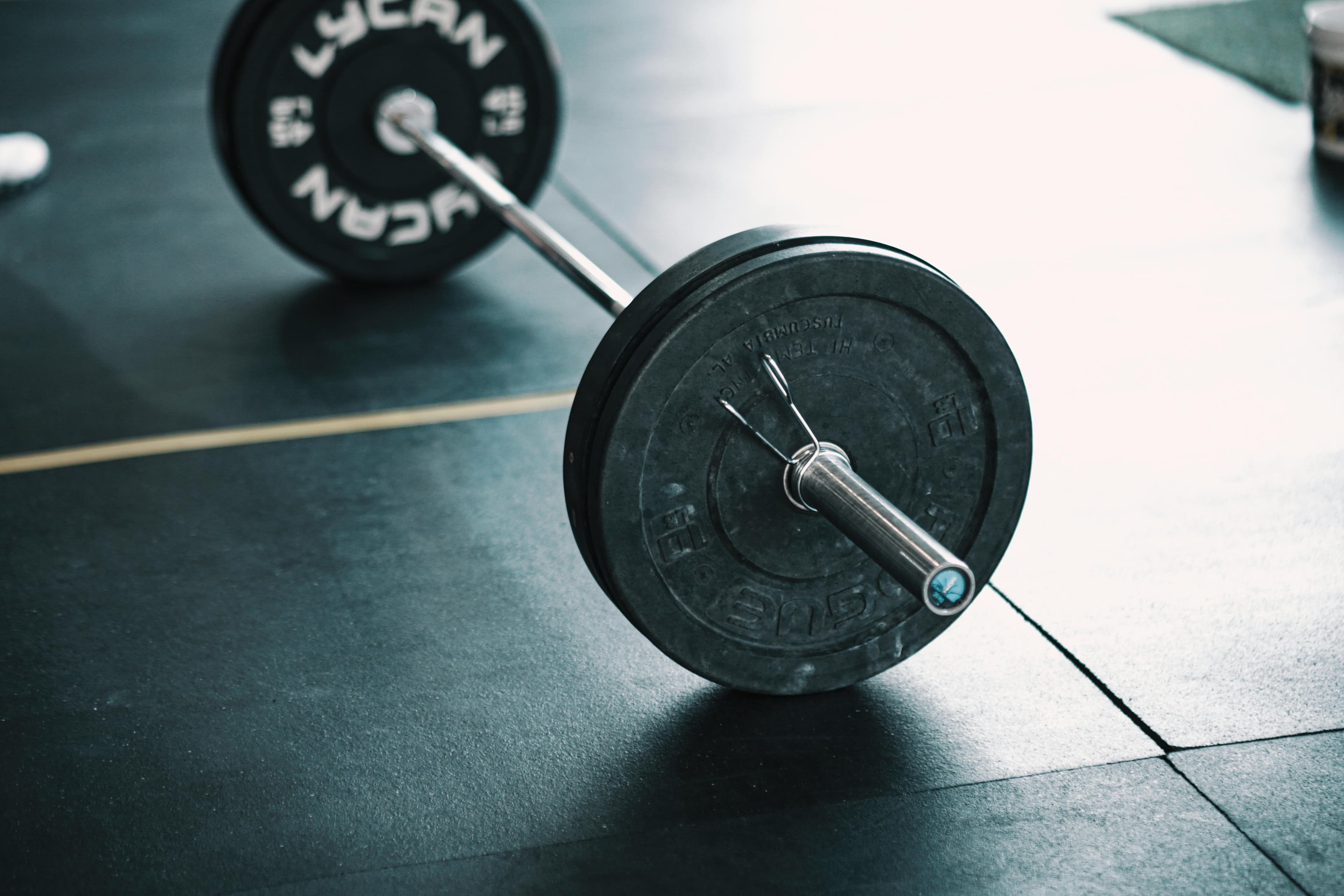
Photo by: Eduardo Cano Photo Co.
The one principle that makes everything else work
Before you touch the workout plan, understand this. Without it, even the best routine stops working within weeks.
Progressive overload is the engine behind all strength and muscle development. Your body only adapts when it's forced to handle slightly more than it's used to. Do the same weight for the same reps every session and your body plateaus fast. It has no reason to change.
In practice, progressive overload for beginner strength training at the gym means adding 2.5–5kg to a lift once you can complete all target reps with clean form, adding one extra rep per set before bumping the weight, and reducing rest periods gradually as your conditioning improves.
Write down what you lift every single session. You cannot progressively overload what you cannot remember.
What is Push Pull Legs, and why does it work for beginners?
Push Pull Legs (PPL) groups muscles by how they function together rather than by body part. There are three days:
- Push day: chest, shoulders, and triceps. Every movement that presses weight away from your body.
- Pull day: back and biceps. Every movement that pulls weight toward your body.
- Legs day: quads, hamstrings, glutes, and calves. The entire lower body.
This means related muscles get trained together, recover fully before the next session, and, when you're ready to train more often, can be repeated twice a week for faster results.
Beginner schedule (3 days/week): Push on Monday, Pull on Wednesday, Legs on Friday. Each muscle group gets hit once a week with full focus and full recovery.
Intermediate schedule (6 days/week): PPL repeated twice in the same week (Monday through Saturday, Sunday off). Step up to this once the 3-day version feels manageable.
The 5 movement patterns behind every exercise in the gym
Every exercise you'll encounter doing beginner strength training at the gym falls into one of five categories. Learn these and you'll always understand what you're training and why.
- Squat (quad-dominant): lowering and rising under load. Targets the quads and glutes. In this plan: leg press, leg extensions.
- Hip hinge (posterior chain): bending forward with a neutral spine while loading the hips. Targets glutes, hamstrings, and lower back. In this plan: hyperextensions, barbell glute bridge, hamstring curls.
- Push: driving weight away from your body. Horizontal pushing (incline press, pec deck) targets the chest and triceps. Vertical pushing (shoulder press, lateral raises) targets the shoulders.
- Pull: drawing weight toward your body. Vertical pulling (lat pulldown) targets the lats and upper back. Horizontal pulling (seated rows, T-bar row) hits the mid-back and biceps.
- Core stability: training the trunk to resist movement. Protects your spine under every other load. In this plan: cable crunch.
A quick gym floor orientation
The free weights area has dumbbells, barbells, and weight plates. Higher skill requirement, higher payoff. Don't avoid it.
Cable machines are adjustable pulleys attached to a weight stack. They're versatile, joint-friendly, and beginner-accessible. Cables maintain constant tension on the muscle throughout the movement, which makes them forgiving and effective for learning new exercises.
Plate-loaded machines require you to load weight plates manually, like the leg press. They allow heavier loads with a guided movement path.
Selectorized machines let you set resistance by inserting a pin into a weight stack. The easiest to use and a completely legitimate starting point.
⚠️ Before loading any barbell, learn how to set the safety catches on a squat rack or power cage. Ask a staff member if you're unsure. This takes two minutes and is not optional.
Your complete PPL workout plan
Beginners will use 3 sets of 8–12 reps with 90–120 seconds rest between sets (higher volume, lower intensity). Intermediate lifters will use 2 sets of 6–9 reps with 3 minutes rest between sets (higher intensity, lower volume). This applies to every exercise in the plan.
Start lighter than you think you need to. Your first two weeks are about learning the movement, not testing limits. The numbers go up fast once form is locked in.
Push day (chest, shoulders, triceps)
1. Pec deck Target: chest
Sit with your back flat against the pad, elbows bent at 90 degrees on the arm pads. Bring the arms together in front of you (think of hugging a large tree). The squeeze at the centre is the whole point. Don't let the weight slam back on the return; control it all the way.
Beginner: 3 sets × 8–12 reps | 90–120 sec rest Intermediate: 2 sets × 6–9 reps | 3 min rest
2. Incline dumbbell press Target: upper chest, front shoulders, triceps
Set the bench to a 30–45 degree incline. Sit with dumbbells resting on your thighs, then lie back, using your thighs to guide the weights to chest height. Press the dumbbells up and slightly inward, arms extended but not locked out. Lower slowly over 2–3 seconds. The incline shifts emphasis to the upper chest, which most people neglect.
Beginner: 3 sets × 8–12 reps | 90–120 sec rest Intermediate: 2 sets × 6–9 reps | 3 min rest
⚠️ Elbows should be at roughly 45 degrees from your torso. Not flared wide, not pinned to your sides.
3. Dumbbell shoulder press Target: deltoids, triceps
Sit upright on a bench set to 90 degrees. Hold dumbbells at shoulder height, palms facing forward, elbows at 90 degrees. Press directly overhead until arms are extended. Lower with full control. If your lower back arches excessively, the weight is too heavy or your core isn't braced.
Beginner: 3 sets × 8–12 reps | 90–120 sec rest Intermediate: 2 sets × 6–9 reps | 3 min rest
4. Side lateral raises Target: medial deltoids
Stand or sit with a dumbbell in each hand at your sides. Raise both arms out to the sides until they reach shoulder height, no higher. Lead with your elbows, not your wrists. Lower slowly. This builds the shoulder width that makes your upper body look broader. Use light weight and strict form.
Beginner: 3 sets × 8–12 reps | 90–120 sec rest Intermediate: 2 sets × 6–9 reps | 3 min rest
5. Triceps pushdown (cable) Target: triceps
Set the cable pulley high. Grip the bar or rope with your elbows locked at your sides. Push down until your arms are fully extended, squeezing the triceps hard at the bottom. Let the cable rise back up with control. Don't let your elbows drift forward or your back round.
Beginner: 3 sets × 8–12 reps | 90–120 sec rest Intermediate: 2 sets × 6–9 reps | 3 min rest
6. Triceps overhead extension (cable or dumbbell) Target: long head of the triceps
The long head of the triceps is the largest portion, and it only gets a full stretch when your arm is overhead. This is the exercise most people skip, which is exactly why their arms stop growing. Set a cable pulley low, turn away from the machine, and extend overhead. You can also use a single dumbbell held with both hands behind your head. Keep your elbows close to your ears throughout.
Beginner: 3 sets × 8–12 reps | 90–120 sec rest Intermediate: 2 sets × 6–9 reps | 3 min rest
Pull day (back, biceps)
1. Wide grip lat pulldown Target: lats, upper back, biceps
Sit at the lat pulldown station, thighs secured under the pad. Grip the bar wider than shoulder-width, palms facing away. Lean back 10–15 degrees. Pull the bar to your upper chest by driving your elbows down toward the floor. Pause briefly at the bottom, then let the bar rise back up slowly for a full stretch at the top.
Beginner: 3 sets × 8–12 reps | 90–120 sec rest Intermediate: 2 sets × 6–9 reps | 3 min rest
2. Seated cable rows Target: mid-back, rear shoulders, biceps
Sit at the cable row station, feet on the foot pads, knees slightly bent. Sit tall. Initiate by squeezing your shoulder blades together, then drive your elbows back past your torso. Hold the contracted position for one second, then return slowly, letting the shoulder blades spread fully before the next rep. Do not rock your torso forward and back; that's momentum, not back training.
Beginner: 3 sets × 8–12 reps | 90–120 sec rest Intermediate: 2 sets × 6–9 reps | 3 min rest
3. Lying T-bar row Target: mid and lower back, lats, rear shoulders
Position yourself on the T-bar row platform, chest against the pad, feet planted. Grip the handles and pull toward your lower chest, driving elbows back. Keep your chest pressed to the pad throughout. If it lifts off, you're swinging. This exercise hits the thick mid-back that most beginners neglect entirely.
Beginner: 3 sets × 8–12 reps | 90–120 sec rest Intermediate: 2 sets × 6–9 reps | 3 min rest
⚠️ Start light. The T-bar row punishes poor form fast. Neutral spine at all times.
4. Machine preacher curl Target: biceps
Sit at the preacher curl machine, upper arms flat against the pad. The pad eliminates any chance of using your shoulders or back to cheat, so this is pure bicep work. Curl to full contraction, squeeze at the top, and lower all the way until your arms are fully extended at the bottom. The full extension is where most people cut themselves short.
Beginner: 3 sets × 8–12 reps | 90–120 sec rest Intermediate: 2 sets × 6–9 reps | 3 min rest
5. Reverse cable curl Target: brachialis, brachioradialis, forearms
Attach a straight bar to a low cable pulley and grip it palms-down. Curl toward your shoulders exactly as you would a normal curl. This trains the brachialis, a muscle that sits under the bicep and pushes it up when developed. Most beginners skip this one for years and wonder why their arms look flat.
Beginner: 3 sets × 8–12 reps | 90–120 sec rest Intermediate: 2 sets × 6–9 reps | 3 min rest
Legs day (quads, hamstrings, glutes, calves, core)
1. Leg extensions Target: quadriceps
Sit in the leg extension machine, back of knees at the seat's edge, pads across your shins. Extend both legs to full lockout, squeeze the quads hard at the top. Lower slowly. This warms up the knee joint and pre-exhausts the quads before the heavier work to come.
Beginner: 3 sets × 8–12 reps | 90–120 sec rest Intermediate: 2 sets × 6–9 reps | 3 min rest
2. Leg press Target: quads, glutes, hamstrings
Sit in the leg press machine, feet shoulder-width apart on the platform, toes angled out slightly. Lower the platform until your knees reach 90 degrees. Press through your full foot to extend. Never lock your knees out hard at the top.
Beginner: 3 sets × 8–12 reps | 90–120 sec rest Intermediate: 2 sets × 6–9 reps | 3 min rest
⚠️ Do not let your lower back peel off the seat at the bottom of the movement. If it does, reduce the range of motion or the weight.
3. Hyperextensions (back extension machine) Target: lower back, glutes, hamstrings
Position yourself in the hyperextension bench with your hips at the top of the pad and feet hooked under the rollers. Lower your torso toward the floor in a controlled arc, then raise back until your body forms a straight line. Do not go past parallel; that's where lower back injuries come from. Once bodyweight feels easy, hold a plate at your chest.
Beginner: 3 sets × 8–12 reps | 90–120 sec rest Intermediate: 2 sets × 6–9 reps | 3 min rest
4. Hamstring curls (lying or seated) Target: hamstrings
Lie face-down on the machine, pad resting just above your heels. Curl your heels toward your glutes through a full range of motion, squeeze at the top, and lower with control. The lowering portion is where most of the stimulus happens. Don't let the weight drop.
Beginner: 3 sets × 8–12 reps | 90–120 sec rest Intermediate: 2 sets × 6–9 reps | 3 min rest
5. Thigh adductor machine Target: inner thighs
Sit with the pads on the inside of your thighs. Bring your legs together against the resistance, squeeze fully at the close position, and return slowly to the open position for a deep stretch. Focus on the squeeze and stretch, not the load.
Beginner: 3 sets × 8–12 reps | 90–120 sec rest Intermediate: 2 sets × 6–9 reps | 3 min rest
6. Thigh abductor machine Target: outer thighs and glutes
Sit with the pads on the outside of your thighs. Push your legs apart against the resistance. Like the adductor, go higher rep with a full range of motion rather than piling on weight.
Beginner: 3 sets × 8–12 reps | 90–120 sec rest Intermediate: 2 sets × 6–9 reps | 3 min rest
7. Barbell glute bridge Target: glutes, hamstrings
Sit on the floor with your upper back against a bench and a barbell across your hips (use a pad). Feet flat on the floor, hip-width apart. Drive your hips up by squeezing your glutes hard until your body forms a straight line from knees to shoulders. Hold for one second at the top, then lower with control.
Beginner: 3 sets × 8–12 reps | 90–120 sec rest Intermediate: 2 sets × 6–9 reps | 3 min rest
8. Standing calf raises Target: calves
Stand on the edge of a raised platform or calf raise machine with just the balls of your feet on the surface, heels hanging. Lower your heels as far as they'll go for a full stretch, then press all the way up onto your toes and pause. The calf muscles are built for endurance, so most people train them too heavy and too fast. Slow, full-range reps work far better than heavy partial ones.
Beginner: 3 sets × 8–12 reps | 90–120 sec rest Intermediate: 2 sets × 6–9 reps | 3 min rest
9. Cable crunch Target: abs
Kneel in front of a high cable pulley with a rope attachment. Hold the rope at either side of your head. Crunch down by rounding your spine, bringing your elbows toward your knees. The movement is a spinal flexion, not a hip hinge; your hips should barely move. This is weighted ab training, which builds core thickness that floor crunches alone will never produce.
Beginner: 3 sets × 8–12 reps | 90–120 sec rest Intermediate: 2 sets × 6–9 reps | 3 min rest
Already built in the Jacked app
This exact PPL split, all three days with every exercise, set, rep target, and rest timer, is already loaded in the Jacked app. Open it, select the PPL plan, and each session is ready to go. Rest timers run automatically so you're not guessing how long you've been sitting. Log each set as you go and Jacked tracks your progression so you always know when it's time to add weight.
Jacked also has a Calorie Tracker, Meal Plans, and Analytics, so your nutrition and training live in one place.
How to track progress
Tracking is what separates people who make consistent progress from people who spend months at the same weights wondering why nothing is changing.
Review your log every four weeks. Any lift stuck at the same weight for a month needs a closer look. Check your form, rest times, sleep, and food intake. The log tells you where the problem is. That's the whole point of keeping it.
Recovery: where the strength actually gets built
You create the stimulus in the gym. The actual adaptation happens outside it.
In the 48–72 hours after a session, your body repairs and reinforces the muscle fibers that were stressed. Cut into that window and you cut into your results, regardless of how hard you trained.
Sleep matters more than anything else on this list. Seven to nine hours. The majority of muscle protein synthesis happens during deep sleep, and no supplement compensates for consistently shortchanging it.
Protein comes in at 0.8–2g per kilogram of bodyweight per day from whole food sources: chicken, eggs, fish, Greek yogurt, legumes. Use protein powder to top up if you consistently fall short, not as a replacement for actual meals.
Rest days in the 3-day schedule are not laziness; they're where the adaptation happens. The days between sessions are the days you get stronger. Respect them before moving to the 6-day version.
Start this week
You have a complete Push Pull Legs plan for beginner strength training at the gym: 20 exercises across three focused days, with form cues, progressions, and a tracking system that keeps you moving forward.
Show up. Follow the plan. Write down what you lifted. Add weight when the log says to.
That's the whole system.